Premium cricket news, match updates, expert analysis, AI-powered insights and fastest ad-free live line coverage by The Guru Gyan.
🏏 Picking Trending Tags...
Cricket NewsLatest stories, squads and schedules.
AI AnalysisData-backed insights by The Guru Gyan.
Free Live LineFastest live coverage, no ads.
No BettingClean cricket coverage only.
Three Runs, Two Decades And One World Cup Dream: Netherlands Women Complete Cricket's Quietest Comeback
Get link
Facebook
X
Pinterest
Email
Other Apps
Three Runs, Two Decades And One World Cup Dream: Netherlands Women Complete Cricket's Quietest Comeback
Three Runs, Two Decades And One World Cup Dream: Netherlands Women Complete Cricket's Quietest Comeback
कहानी शुरू होती है 28 January 2026 की एक बेचैन सुबह से... Netherlands से बहुत दूर, Nepal के Kirtipur में बादल नीचे झुक आए थे, बारिश ने खेल रोक दिया था, और एक computer screen के सामने बैठी Helmien Rambaldo बार-बार refresh दबा रही थीं। सामने D. L. S. के बदलते आंकड़े थे। मैदान पर Netherlands Women को आखिरी आठ overs में सिर्फ उनतालीस runs चाहिए थे, आठ wickets हाथ में थीं... लेकिन यह साधारण chase नहीं था। यह एक दरवाजा था, जो खुलता तो इतिहास सामने खड़ा मिलता... और बंद होता तो फिर वही पुराना दर्द लौट आता। जीत जरूरी थी, क्योंकि आगे Ireland Women और Bangladesh Women जैसी कठिन चुनौतियां इंतजार कर रही थीं। यह Netherlands Women का पहली बार Women's T Twenty World Cup तक पहुंचने का सबसे साफ मौका था। और Rambaldo के लिए... यह सिर्फ qualification नहीं थी। यह उनके अपने अतीत, उनकी अधूरी यादों, और उस सवाल का जवाब था जो वर्षों से उनके भीतर गूंजता रहा था... वे तीन runs आखिर कहां रह गए थे?
Helmien Rambaldo कोई दूर बैठी हुई observer नहीं थीं। उन्होंने squad की कई players को तब से देखा था, जब वे सिर्फ तेरह या चौदह साल की थीं। कभी age-group coach के रूप में, कभी mentor के रूप में, और अब ICC Women's T Twenty World Cup 2026 में national team की assistant coach के रूप में। लेकिन उनकी बेचैनी की जड़ इससे भी गहरी थी। बीस साल की उम्र में Rambaldo Netherlands की उस team का हिस्सा थीं, जिसने 2000 World Cup खेला था। वह Netherlands का लगातार चौथा World Cup था, 1988, 1993, 1997 और फिर 2000... उस समय Dutch women's cricket दुनिया की top eight teams में गिना जाता था। फिर धीरे-धीरे सीढ़ियां नीचे खिसकती गईं। बाकी देशों ने funding बढ़ाई, facilities बेहतर कीं, players को ज्यादा matches मिले... और Netherlands, बेहतर होने के बावजूद, दुनिया की तेज रफ्तार से पीछे छूटता गया।
फिर आया वह घाव, जो आज भी भरा नहीं है। 2014 T Twenty World Cup qualifier की दौड़ में Netherlands, Ireland Women के खिलाफ 137 runs का पीछा कर रहा था। Rambaldo ने पूरे बीस overs batting की। सत्रहवें over में Isobel Joyce की एक full delivery आई... और Rambaldo ने shot ही नहीं खेला। एक पल के लिए दिमाग जैसे बंद हो गया। अगले over में उन्होंने boundaries लगाकर वापसी की, लेकिन अंतिम ball तक मामला उनके हाथ में नहीं रहा। Netherlands सिर्फ दो runs से हार गया। World Cup ticket बस एक सांस दूर था। Rambaldo non-striker end पर खड़ी रह गईं... और फिर वह वाक्य उनके जीवन का हिस्सा बन गया: वे तीन runs कहां थे? Scoreboard पर हार दो runs की थी, लेकिन उनके मन में missing number हमेशा तीन रहा... शायद उस delivery का, शायद उस chance का, शायद उस पूरे दौर का, जिसे Netherlands पकड़ नहीं पाया।
यह पहली बार नहीं था जब Dutch dream किनारे तक आकर टूट गया। 2003 World Cup qualifier में Netherlands तीसरे स्थान पर रहा, जबकि सिर्फ top two teams आगे जा सकती थीं। 2011 में team qualifier में छठे स्थान पर रही और 2013 fifty-over World Cup के साथ अपना O. D. I. status भी खो बैठी। Rambaldo के अनुसार वह उनकी career की सबसे कठिन चोट थी। Team पहले से बेहतर तैयार थी, fitness मजबूत थी, quality ऊंची थी... फिर भी दुनिया उससे कहीं तेज आगे निकल चुकी थी। Bangladesh Women, Pakistan Women, West Indies Women और कई दूसरे cricket systems ने investment, time और opportunities के सहारे बड़ी छलांग लगाई। Netherlands ने सिर्फ status नहीं खोया... funding भी कम हुई, high-level matches घटे, और punishment उस team को मिला जो अपने भीतर खुद को पहले से बेहतर महसूस कर रही थी।
लेकिन यह कहानी सिर्फ गिरावट की नहीं है। यह उन लोगों की कहानी है जिन्होंने खेल को बुझने नहीं दिया। Ingrid van der Elst ने लगभग छह दशकों तक Netherlands cricket community को अपनी आंखों से बदलते देखा। National hockey goalkeeper रह चुकी Ingrid ने sports writing से retirement ले ली, उम्र सत्तर के पार पहुंच गई... फिर भी cricket नहीं छोड़ा। Still Going Strong club में, और Utrecht के Kampong Cricket Club की women's league में, वे आज भी खेलती हैं। Elise Reynolds, जिन्होंने 1997 और 2000 World Cups खेले, art academy की classes और national duty के बीच अपनी जगह बनाती रहीं। उनके teachers को समझ नहीं आता था कि कोई महीनों painting छोड़कर cricket खेलने क्यों जाएगा। लेकिन Reynolds के लिए वह मैदान एक अलग दुनिया था। उन्होंने Belinda Clark के bat से first over में edge निकलने की याद संभाल कर रखी, भले catch drop हो गया और scorebook ने उस moment को कभी दर्ज नहीं किया।
Netherlands में women's cricket की जड़ें बहुत पुरानी हैं। 1930s में women ने खेलना शुरू किया। 1937 में touring Australian side की मेजबानी हुई। Post-war decades में English teams के tours आए। Netherlands, International Women's Cricket Council के शुरुआती members में से एक बना। 1983 में Utrecht में European Championships शुरू हुआ, जिसे Golden Tulip tournament कहा गया। 1990 तक country में करीब चालीस women's teams और चार league divisions थीं। Training school halls में होती थी, gym floors पर mats बिछाए जाते थे, kits share की जाती थीं... लेकिन passion साझा नहीं करना पड़ता था, वह हर player के पास भरपूर था। फिर mid-2000s के बाद landscape बदल गया। Television से cricket गायब हुआ, BBC की खुली पहुंच की जगह paid coverage ने ले ली, लोगों के पास पूरे Saturday मैदान पर बिताने का समय कम हुआ, और recreational sport धीरे-धीरे professional pressure में बदलने लगा। एक समय चालीस teams वाले system में संख्या घटकर सिर्फ आठ teams तक पहुंच गई। पूरे sport में women की भागीदारी तीन सौ से भी कम रह गई।
फिर भी छोटी community ने हार नहीं मानी। Legends खेलती रहीं। Coaches players को संभालते रहे। Families ने sport को अगली generation तक पहुंचाया। The Hague, Amsterdam, Utrecht और दूसरे छोटे cricket circles में खेल जिंदा रहा। Facilities अब बेहतर हैं। अलग centres में छोटे groups के साथ training होती है। Full-time coach है। Strength and conditioning trainer है। Current generation की quality, Rambaldo के शब्दों में, पिछली generation से worlds apart है। लेकिन quality के साथ एक नई चुनौती भी आई... दुनिया को यह दिखाना कि Netherlands Women सिर्फ history का footnote नहीं, present का हिस्सा भी हैं।
और फिर Kirtipur की वह बारिश आई... screen पर numbers बदलते रहे... Rambaldo refresh करती रहीं... और एक पूरा cricket culture सांस रोके बैठा रहा। Netherlands Women ने वह रास्ता पार किया, जो दशकों से हर मोड़ पर टूटता आया था। यह उनका पहला Women's T Twenty World Cup है, और 2000 के बाद पहला World Cup appearance। यह सिर्फ एक tournament entry नहीं... Ingrid की लंबी उम्र का reward है। Reynolds की scrapbooks का reward है। Rambaldo की sleepless memories का reward है। उन players का reward है जो shared kits, कम matches, घटती funding और सीमित visibility के बावजूद खेलती रहीं। उन coaches का reward है जिन्होंने तेरह साल की girls में future देखा, जब दुनिया उन्हें star मानने को तैयार नहीं थी।
अब challenge आसान नहीं होगा। Rambaldo खुद मानती हैं कि World Cup tough होगा। Netherlands के सामने stronger systems, deeper squads और अधिक resources वाली teams होंगी। लेकिन इस बार difference इतना है कि Dutch players सिर्फ qualify करने का सपना नहीं देख रहीं... वे उस stage पर खड़ी हैं। जो सवाल कभी था, वे तीन runs कहां थे... उसका जवाब अब scoreboard पर नहीं, पूरी journey में लिखा है। वे runs शायद हर उस Saturday में थे जब किसी ने खाली hall में mat बिछाई। हर उस training session में थे जहां kit shared थी। हर उस player में थे जिसने television coverage के बिना भी cricket चुना। और हर उस coach में थे जिसने हार के बाद भी अगली generation पर विश्वास रखा। Netherlands Women ने history को erase नहीं किया... उन्होंने उसके दर्द को अपने World Cup ticket की ink बना दिया।
आप सुन रहे थे Guru News Network, powered by द गुरु ज्ञान... जहां cricket की सबसे गहरी stories सिर्फ headlines नहीं बनतीं, उन्हें महसूस कराया जाता है। Netherlands Women की इस extraordinary वापसी, ICC Women's T Twenty World Cup 2026 की हर बड़ी खबर, thoughtful cricket analysis और fastest live updates के लिए द गुरु ज्ञान से जुड़े रहिए। यहां हर score के पीछे की कहानी मिलती है... हर comeback के पीछे की कीमत समझाई जाती है... और cricket का हर emotion, सम्मान के साथ आपके दिल तक पहुंचाया जाता है।
```
The story begins on January 28, 2026, not beneath the uncertain clouds of Kirtipur, Nepal, but in front of a computer screen far away in the Netherlands. Helmien Rambaldo, a forty-five-year-old university professor and one of the most enduring figures in Dutch women's cricket, was pressing refresh again and again. Rain had interrupted the match between USA Women and Netherlands Women. The D. L. S. calculations were shifting. Netherlands needed thirty-nine runs from the final eight overs, with eight wickets still in hand. By the mathematics of cricket, it should have been comfortable. By the mathematics of memory, it was anything but comfortable. Victory was not merely desirable. It was necessary. Ireland Women and Bangladesh Women still waited in the qualification path, and this was the clearest opening Netherlands had ever found to reach a Women's T Twenty World Cup.
```
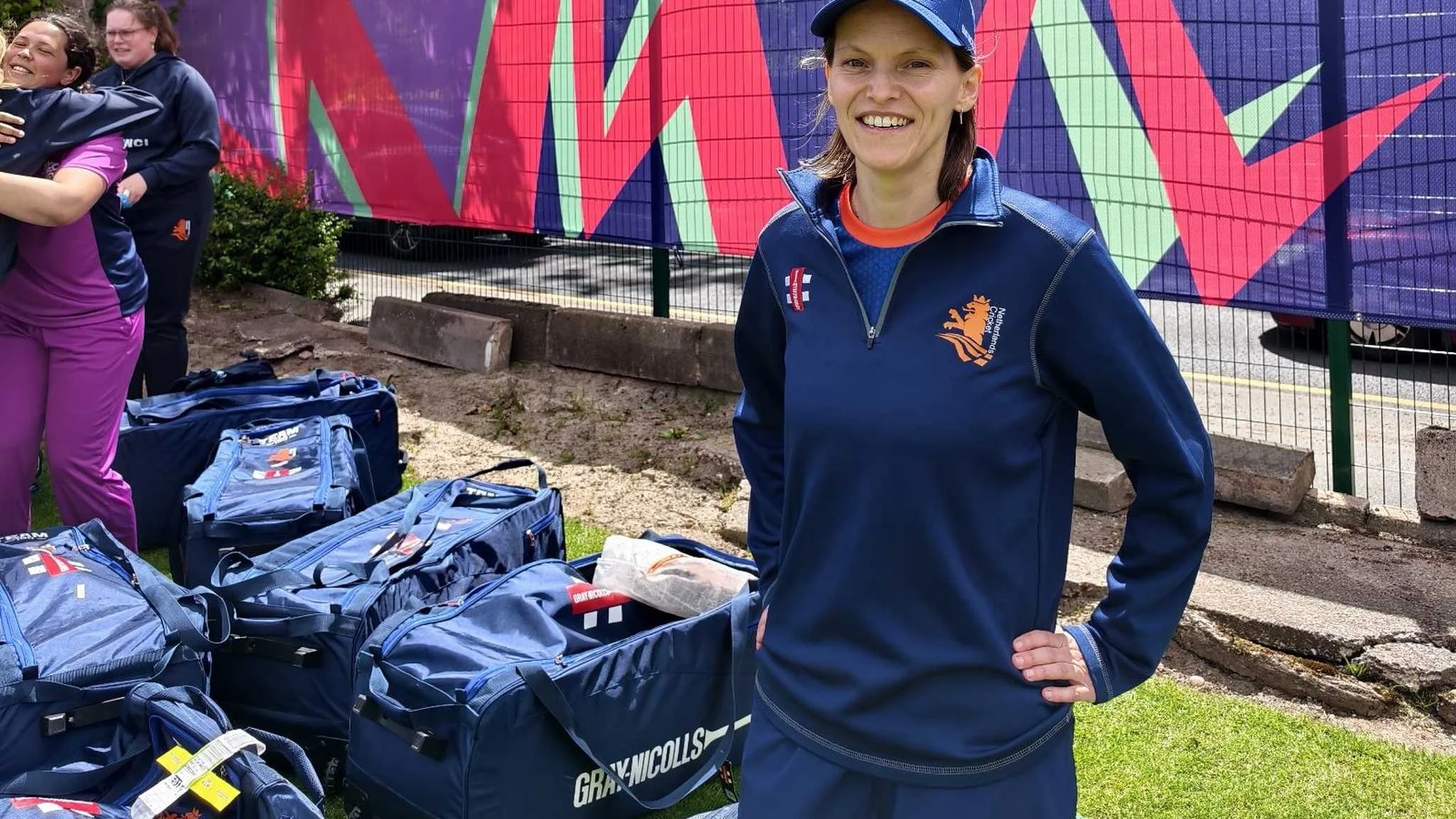
For Rambaldo, the screen carried more than numbers. It carried decades. She had coached several members of the squad since they were thirteen or fourteen. She had watched them grow through age-group cricket, through limited opportunities, through a system sustained by passion rather than abundance. Now she was serving as assistant coach of the national team for the ICC Women's T Twenty World Cup 2026. Yet her nervousness came from a much older place. At the age of twenty, Rambaldo had been part of the Netherlands side at the 2000 World Cup, the country's fourth consecutive appearance after 1988, 1993 and 1997. Back then, Netherlands belonged among the world's top eight teams. Then the landscape shifted. Other nations invested more money, more time, more facilities and more competitive opportunities. Netherlands improved too, but the rest of the world accelerated beyond them.
One memory survived every season that followed. It came from the qualification campaign for the 2014 T Twenty World Cup. Netherlands were chasing 137 against Ireland Women. Rambaldo batted through the full twenty overs. In the seventeenth over, Isobel Joyce delivered a full ball, and Rambaldo offered no stroke. The moment felt, in her own description, like a fuse disappearing inside the mind. She recovered. She cut and pulled Joyce for boundaries in the following over. But the conclusion no longer belonged to her. With four runs required from the final delivery, Rambaldo stood at the non-striker's end and watched the opportunity vanish. Netherlands lost by two runs. Yet the question she carried was larger and more personal: where were those three runs? It became a private refrain, a tiny sentence containing the weight of a World Cup ticket that had slipped away.
That heartbreak was not an isolated accident. In 2003, Netherlands finished third in the first World Cup qualifier, when only the top two progressed. In 2011, with Rambaldo leading what she believed was the best-prepared Netherlands team of her career, they finished sixth in qualification for the 2013 fifty-over World Cup and lost their O. D. I. status. The consequence was brutal. Funding declined. Opportunities narrowed. The team was punished for falling behind at the precise moment it felt stronger than before. Meanwhile, the structure of international women's cricket was changing. Full Member nations gained greater access to resources and matches. Teams such as Bangladesh Women rose rapidly through sustained investment. Pakistan Women and West Indies Women occupied a global landscape that had looked very different when Netherlands played the 2000 World Cup. The Dutch game did not simply stop developing. It was overtaken by systems moving at a far greater speed.
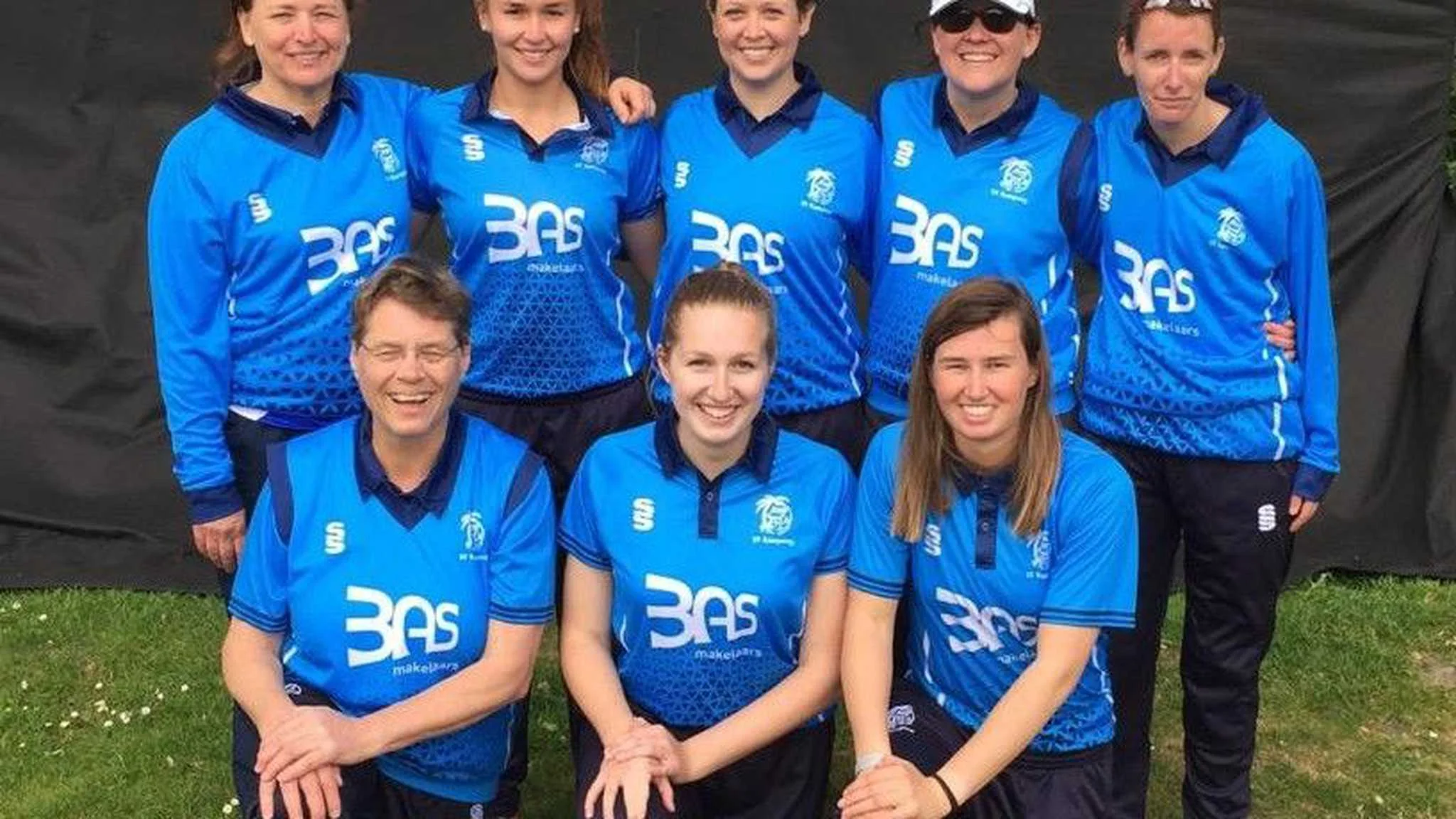
And yet, the sport remained alive because certain people refused to let it disappear. Ingrid van der Elst has spent almost six decades inside the Netherlands cricket community. Once a national-level hockey goalkeeper and later a sports writer, she continued playing cricket beyond the age of seventy, both with the Still Going Strong club and in the women's league for Kampong Cricket Club in Utrecht. Elise Reynolds, who appeared at the 1997 and 2000 World Cups, carried her own archive of memories. At art academy, teachers questioned why she would leave painting for months at a time. The answer was simple, even if the world around her could not understand it: she was representing Netherlands at a World Cup. Reynolds still remembers finding the edge of Belinda Clark's bat in the first over of a match, even though the catch was dropped and the moment never entered the official record. Some cricket memories live outside scorebooks because scorebooks, like most human systems, are excellent at counting and hopeless at understanding.
Women's cricket in the Netherlands possesses a history deeper than its modern visibility suggests. Women began playing in the 1930s. A touring Australian side visited in 1937. English teams followed in the post-war decades. Netherlands became one of the early members of the International Women's Cricket Council. In 1983, European boards created the Golden Tulip tournament in Utrecht. By 1990, the country had around forty women's teams across four league divisions. Players trained in school halls, rolling mats across gym floors and sharing cricket equipment. Facilities were limited, but exposure existed, and exposure created belief.
Then, through the mid-2000s, the structure weakened. Cricket became harder to find on television. The era of easy access through BBC coverage gave way to paid broadcasts that required viewers to actively search for the sport. Modern life placed less value on an entire Saturday spent on a cricket field. Recreational participation shrank as sport became more professionally demanding. Reynolds later discovered that the country had only eight women's teams. Across the Netherlands, fewer than three hundred women remained involved in the game. The numbers were small. The community, however, remained fiercely committed.
The present generation inherited both the damage and the devotion. Training is now more organised. Players work in smaller groups across different centres. There is a full-time coach and a strength and conditioning trainer. Rambaldo describes the quality of the current team as worlds apart from her own generation. These players are better trained, tactically sharper and physically prepared for a game that has evolved dramatically. But they have also carried the burden of a team that repeatedly came close without crossing the line.
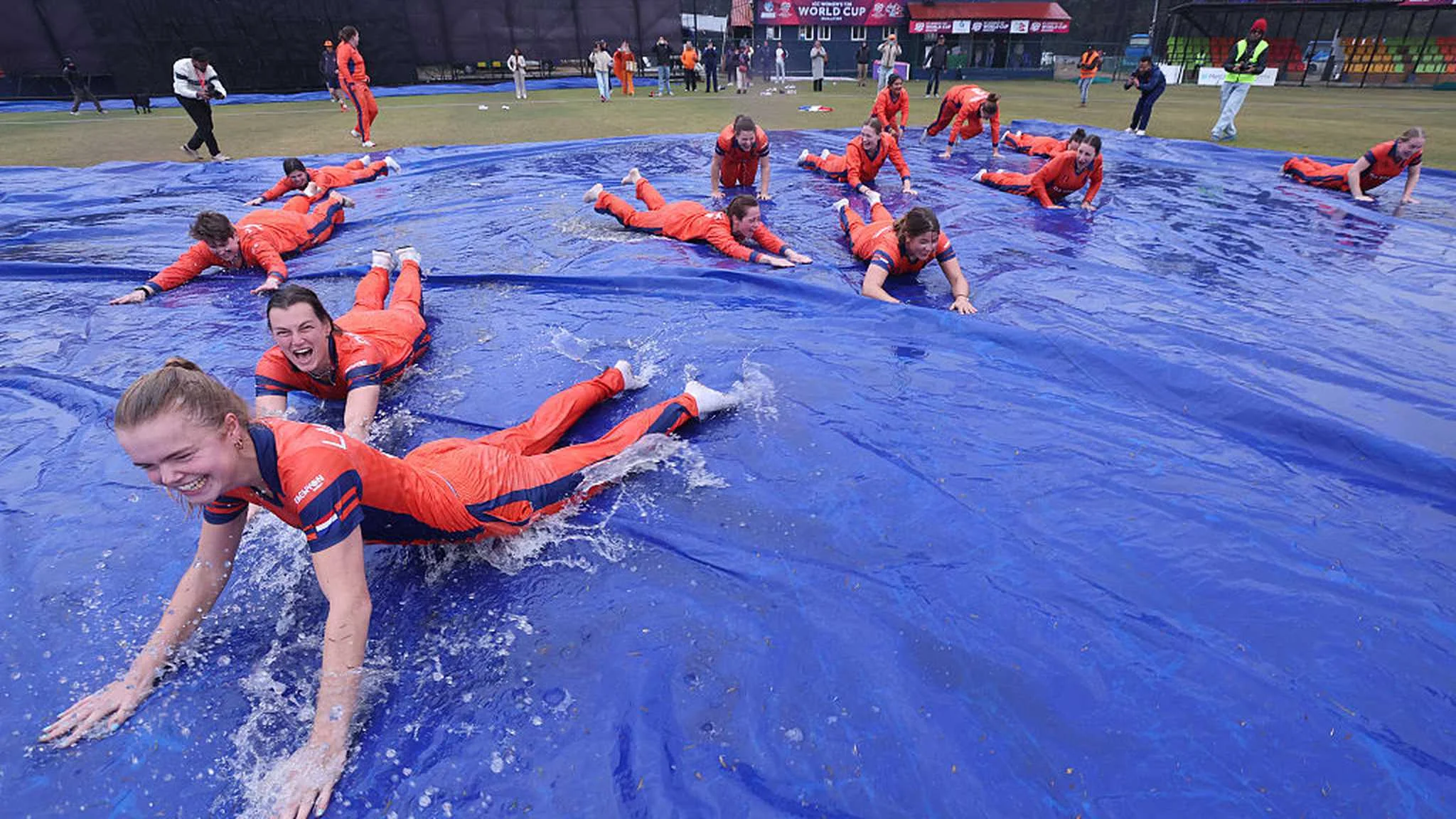
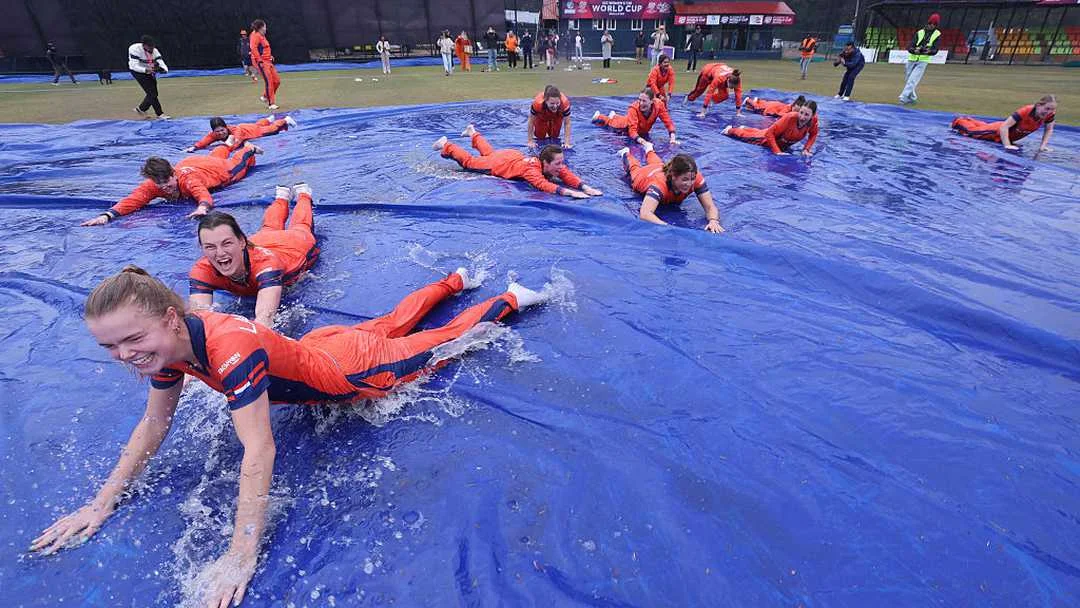
That is why the rain in Kirtipur mattered. That is why a university professor kept refreshing a screen. That is why thirty-nine runs from eight overs could feel like the final chapter of a long novel. Netherlands Women eventually crossed the threshold. They qualified for their first Women's T Twenty World Cup and secured their first World Cup appearance since 2000. The achievement belongs to the current squad, but it also belongs to everyone who protected Dutch women's cricket when it was too small to attract headlines. It belongs to Ingrid, still playing. It belongs to Reynolds and her scrapbooks. It belongs to Rambaldo, who carried the question of three missing runs across years of coaching. It belongs to the families, volunteers and players who kept returning to grounds even when television, funding and public attention had moved elsewhere.
The World Cup itself will be difficult. Rambaldo says so without illusion. Netherlands will face teams with deeper talent pools, larger budgets and far more experience at the highest level. But qualification has already changed the meaning of the journey. For years, Dutch women's cricket was defined by what it had lost: status, funding, visibility, teams and opportunities. Now it can also be defined by what it preserved. The current squad has not erased the failures of the past. It has transformed them into inheritance. The three runs Rambaldo could never find may not have been hidden in one delivery at all. Perhaps they were scattered across decades: in every school hall where a mat was rolled out, every shared kit, every unpaid hour of coaching, every player who stayed, and every generation that chose hope after the scoreboard had said no.
Thank you for listening to Guru News Network, powered by The Guru Gyan, where cricket is not reduced to a result when the journey deserves a fuller telling. For the most meaningful stories from the ICC Women's T Twenty World Cup 2026, trusted cricket news, thoughtful analysis and the fastest live updates, stay connected with The Guru Gyan. Here, every score has a history, every comeback carries a cost, and every remarkable cricket story is given the voice it deserves.
```
ICC Women's T20 World Cup 2026Historic ComebackNetherlands WomenGuru News Network
Three runs, two decades, one World Cup dream: Netherlands Women complete cricket's quiet comeback
Netherlands Women ka ICC Women's T20 World Cup 2026 tak pahunchna sirf qualification result nahi hai. Ye 2000 ke baad World Cup stage par return, repeated heartbreaks ka answer, aur ek chhoti lekin fiercely committed cricket community ki multi-generation victory hai.
Netherlands Women ka maiden T20 World Cup qualification Dutch women's cricket ke liye 2000 ke baad global stage par ek deeply significant return hai.
News Highlights
Netherlands Women ne apna pehla ICC Women's T20 World Cup qualify kiya, aur 2000 ke baad pehli baar kisi senior Women's World Cup me return secure kiya.
January 28, 2026 ko Kirtipur, Nepal me USA Women ke against rain-hit match qualification journey ka decisive psychological moment bana.
Assistant coach Helmien Rambaldo 2000 World Cup squad ka hissa thi aur current generation ki kai players ko early teenage years se coach karti aayi hain.
Netherlands ne 2003, 2011 aur 2013 ke qualification heartbreaks, ODI status loss, reduced funding aur shrinking domestic participation ka long decline survive kiya.
1990 ke around 40 women's teams wale ecosystem me later period me sirf eight teams aur fewer than 300 women participants reh gaye, phir bhi community ne game ko alive rakha.
Current setup me better training centres, full-time coaching aur strength and conditioning support ne Netherlands Women ko stronger competitive platform diya hai.
Main Story: Kirtipur ki rain delay me decades ka pressure
January 28, 2026 ko Helmien Rambaldo Netherlands me apne computer ke saamne baithi thi, jab Nepal ke Kirtipur me USA Women aur Netherlands Women ka match rain ke karan halt ho gaya. Screen par DLS numbers move kar rahe the, aur Rambaldo refresh button repeatedly press kar rahi thi.
Equation surface par simple thi: Netherlands ko last eight overs me 39 runs chahiye the aur eight wickets in hand the. Lekin is chase ka emotional weight scoreboard se kaafi bada tha. Victory essential thi, because Ireland Women aur Bangladesh Women ke matches abhi aage the, aur Dutch side ke paas maiden T20 World Cup berth secure karne ka ye strongest opening tha.
Rambaldo ke liye ye wait personal bhi tha. Unhone current squad ki kai players ko age-group level se develop hote dekha tha. Ab woh ICC Women's T20 World Cup 2026 me assistant coach ke roop me same generation ke saath thi, jo Netherlands ko finally us finish line ke paar le ja rahi thi jahan team repeatedly rukti aayi thi.
Qualification ne ek historical distinction create ki: Netherlands Women ka ye first T20 World Cup hai, lekin first World Cup nahi. Team 1988, 1993, 1997 aur 2000 editions me appear kar chuki thi. 2026 ka return isliye extraordinary hai, kyunki ye 26 years ke international distance ko close karta hai.
Helmien Rambaldo: Ek player, coach aur living memory
Helmien Rambaldo ki journey Netherlands Women's cricket ke rise, fall aur recovery ko ek single career me connect karti hai. Unhone 57 internationals khele, jisme ek Test bhi included tha. Netherlands me best woman cricketer ke liye diya jane wala medal unke naam se associated hai.
Sirf 20 years ki age me Rambaldo 2000 World Cup squad ka part thi. Us waqt Netherlands top-eight global structure ke andar fourth successive World Cup khel raha tha. Rambaldo ka international entry point hope se bhara tha, lekin unka later career ek aise era me gaya jahan Netherlands improve karte hue bhi global progress se outpaced hota gaya.
"Where were those three runs?"
Helmien Rambaldo ka long-standing question after the 2014 T20 World Cup qualification heartbreak
Ye question ek match ki memory se nikla, but gradually Dutch decline ka symbol ban gaya. Rambaldo scoreboard ko nahi, ek missed pathway ko replay karti rahi: ek delivery, ek decision, ek result, aur ek World Cup ticket jo touch karke bhi haath me nahi aaya.
Helmien Rambaldo Netherlands Women ke past World Cup era aur 2026 comeback generation ke beech ek rare cricketing bridge hain.
The Three-Run Ghost: Ireland ke against woh match jo khatam nahi hua
2014 T20 World Cup qualifier ke race me Netherlands Women, Ireland Women ke 137-run total ko chase kar rahi thi. Rambaldo ne complete 20 overs bat kiya. Seventeenth over me Isobel Joyce ki full delivery par unhone shot offer nahi kiya. Rambaldo ke description me mind ek blown fuse ki tarah blank ho gaya.
Unhone next over me Joyce ko cut aur pull karke boundaries nikali, lekin finish unke control se bahar chali gayi. Last ball par four runs required the, Rambaldo non-striker end par thi, aur Netherlands do runs short reh gaya.
Scorebook two-run defeat record karta hai. Rambaldo ka mind three missing runs search karta raha. Isi contradiction me elite sport ka uncomfortable truth chhupa hai: official margin chhota ho sakta hai, lekin player ke andar uski measurement alag hoti hai.
Netherlands ke liye heartbreak ka pattern usse pehle bhi exist karta tha. 2003 ke inaugural World Cup qualifier me team third finish hui, jab sirf top two progress kar sakti thi. Repeated near-misses ne Dutch cricket ko result se zyada opportunity structure ke against fight karne par majboor kiya.
Decline Timeline: Jab baaki duniya faster ho gayi
1988 to 2000: Four successive World CupsNetherlands Women global top-eight structure ka regular part tha aur senior World Cup exposure consistently mil raha tha.
2003: Qualification cut se ek place doorNetherlands first World Cup qualifier me third raha, jab only two teams main event tak pahunchi.
2011: ODI status aur funding ka major lossTeam 2013 fifty-over World Cup qualifier me sixth finish hui. Rambaldo ke hisab se ye unke career ki most difficult cricketing moment thi.
2013: Ireland ke against two-run defeat2014 T20 World Cup ticket narrowly miss hua, aur "three runs" Rambaldo ki enduring memory ban gaye.
2026: First T20 World Cup, first World Cup since 2000Current generation ne decades ke near-misses ko finally global tournament qualification me convert kiya.
2011 qualifier ke waqt Rambaldo Netherlands ki captain thi. Unke assessment me woh squad quality aur fitness ke level par unke career ki best Dutch team thi. Phir bhi result ne ODI status chheen liya. Ye contradiction decline ko samajhne ka central point hai.
Netherlands necessarily weaker nahi hua tha. Problem ye thi ki world cricket ka investment curve dramatically steep ho gaya. Bangladesh Women jaise teams ne money ke saath time, coaching aur player development me sustained investment ki. Pakistan Women aur West Indies Women jaise systems bhi global structure me stronger presence ke saath grow hue.
Men's aur women's governing bodies ke mergers se kai Full Member nations ko resources aur match access improve hua, lekin Netherlands ke liye old women's-body networks ke through higher-ranked opposition ke against milne wale matches reduce hue. Full Members ek dusre ke saath zyada khelne lage, Associates lower competitive tier me locked hote gaye.
Result ek widening gulf tha: Dutch players better facilities aur knowledge ke bina bhi improve kar rahe the, lekin regular high-level opposition ke absence me improvement ka speed enough nahi tha. International cricket me talent important hai, but access bhi talent ka silent multiplier hota hai.
A rich legacy hidden behind a small modern footprint
Netherlands Women's cricket ko sirf recent Associate story samajhna historically inaccurate hoga. Country me women 1930s se cricket khel rahi hain. 1937 me Netherlands ne touring Australian side host ki, aur post-war decades me English teams ke tours hue.
Netherlands International Women's Cricket Council ke earliest members me se tha. Limited international exposure ke response me European boards ne 1983 me Utrecht me European Championships create kiya, jise sponsor ke naam par Golden Tulip tournament kaha gaya. Denmark, Ireland, Netherlands aur Scotland us regional cricket ecosystem ka part the.
1990 tak country me around 40 women's teams aur four league divisions thi. Facilities glamorous nahi thi. Players school halls me Saturday training karti thi, gym floors par mats roll karti thi aur cricket kits share karti thi. Lekin game accessible tha, community visible thi, aur regular exposure belief ko alive rakhta tha.
Netherlands World Cups me necessarily dominant side nahi tha. Rambaldo ko 2000 World Cup ke baad tak hands sore rehne ki memory hai, because elite batters ball ko unke familiar level se kaafi harder hit kar rahi thi. Australia ki Cathryn Fitzpatrick jaise fast bowlers ki speed aur action ne Dutch players ko global standard ka brutal, beautiful introduction diya.
Dutch women's cricket ki legacy 1930s, early international tours aur four successive World Cup appearances tak jati hai.
The keepers of the game: Ingrid, Reynolds aur ek passionate small world
Ingrid van der Elst: Seventy ke baad bhi cricket
Ingrid van der Elst Netherlands cricket community ka nearly 59-year witness rahi hain. National hockey team ke liye goalkeeper rehne ke baad unhone sports writing career complete kiya, lekin cricket se retirement accept nahi ki.
Seventies cross karne ke baad bhi Ingrid Still Going Strong club me, aur Utrecht ke Kampong Cricket Club women's league me play karti rahi. Younger players ke saath field share karna unhe younger feel karata hai. Ye line charming zaroor hai, but uske andar Dutch survival model bhi chhupa hai: community tab tak alive hai jab tak koi next Saturday phir se kit bag le aata hai.
Elise Reynolds: Art, fast bowling aur scorebook ke bahar ki memory
Elise Reynolds ne 1997 aur 2000 World Cups me Netherlands represent kiya. Art academy me unke teacher ko samajh nahi aata tha ki months tak painting se door rehna dedication kaise ho sakta hai. Reynolds ke liye answer simple tha: woh national cricket team ke saath World Cup khel rahi thi.
Unki most vivid memories me Belinda Clark ke bat ka first-over edge hai. Catch drop hua, official record me wicket nahi aaya, lekin Reynolds ke liye moment real raha. Woh Waqar Younis ko hero maanti thi, Cathryn Fitzpatrick ke bowling action ko cheetah jaisa fast aur elegant describe karti thi, aur cricket ko achievements ke saath movement aur beauty ke through yaad karti thi.
Legends jo league me ruki rahi
Caroline Salamons aur Sandra Kottman jaise Netherlands legends domestic league me active rahe. Rambaldo ne coaching aur university professor duties balance karte hue playing only last year stop ki. Small league ka advantage ye hai ki everyone knows everyone; disadvantage ye hai ki stars bhi kabhi-kabhi apne country me stars jaisi visibility nahi paati.
Participation collapse: Forty teams se eight tak
Mid-2000s ke baad Netherlands me women's cricket participation sharply reduce hua. Reynolds ko retirement ke years baad jab national setup me contribute karne ka possibility mila, tab unhe pata chala ki entire country me sirf eight teams reh gayi hain. Unke playing entry period ke comparison me ye decline shocking tha.
Multiple forces ek saath kaam kar rahi thi. Cricket time-intensive sport hai. Families, careers aur modern schedules ke beech entire Saturday field par spend karna increasingly difficult hua. Short-duration recreational sports ne convenience offer ki, jabki cricket ne time aur commitment dono demand kiye.
Reynolds ne ek aur subtle shift identify ki: sport fun-first hobby se professional-pressure pursuit ban gaya. Unki generation balls throw karte hue poora din spend karti thi; next generation ke liye training serious, selected aur expectation-heavy ho gayi. Performance improve hua, participation base narrow ho gaya.
Rambaldo television access ko major factor maanti hain. BBC era me cricket relatively easy access ke saath available tha. Sky Sports shift ke baad Netherlands audience ko actively cricket search karna padta tha. Visibility reduce hui, cultural familiarity decline hui, aur game ko explain karna bhi challenge ban gaya. Babette de Leede jaise current players ko ab bhi batana padta hai ki cricket board game ya horse sport nahi hai.
Around 1990About 40 women's teams
Later national pictureOnly eight teams
Women's participationFewer than 300 people
World Cup absence2000 to 2026
The rebuild: Better facilities, sharper players, same small community
Domestic numbers low rehne ke bawajood current Netherlands setup quality-wise older era se clearly stronger hai. Players smaller training groups me different days aur different centres par work karti hain. Two cities me improved facilities available hain, saath me full-time coach aur strength and conditioning trainer bhi hai.
Ingrid, Reynolds aur Rambaldo teeno agree karti hain ki current generation ka cricket standard dramatically superior hai. Rambaldo ke words me difference "worlds apart" hai. Modern players better prepared, more tactical aur physically stronger hain.
Lekin star culture abhi limited hai. League itni small hai ki players ek dusre ko personally jaanti hain, isliye national cricketers ko celebrity distance rarely milta hai. World Cup appearance is equation ko change kar sakta hai. Global stage players ko domestic community ke familiar faces se national sporting figures me transform karne ka power rakhta hai.
2026 qualification isi liye development event bhi hai. Young girls ab Netherlands jersey me World Cup players ko dekh sakengi. Media ko story milegi. Clubs ko recruitment narrative milega. Sponsors aur administrators ko evidence milega ki small ecosystem bhi international return deliver kar sakta hai.
Current Netherlands Women generation better training structure ke saath 26-year senior World Cup absence end kar chuki hai.
Key Turning Point: Qualification ne past ko delete nahi, redefine kiya
Netherlands Women ka 2026 World Cup berth past failures ko erase nahi karta. 2011 ka ODI status loss, 2013 ka two-run heartbreak aur years of reduced opportunity still history ka part hain. Lekin qualification un moments ko final verdict rehne se rokta hai.
Rambaldo ne current squad ko 13 aur 14 years ki age se develop hote dekha. Unhe repeatedly feel hua ki group close hai, but finish line cross nahi kar pa raha. 2026 me wahi group finally reward tak pahucha. Coaching language me isse development cycle kaha ja sakta hai; emotionally dekhen to ye delayed justice jaisa feel hota hai.
World Cup tough hoga, aur Netherlands favourites ke resources ke saath enter nahi karega. Lekin tournament me compete karne ka opportunity itself system ke liye transformative hai. Players higher pace, sharper tactics aur greater pressure directly experience karengi. Exactly wahi exposure jo previous generations repeatedly lose karti rahi.
Three missing runs ab ek defeat ka question kam, perseverance ka metaphor zyada lagte hain. Shayad woh runs single over me nahi the. Shayad woh decades ke volunteer work, shared kits, empty halls, small leagues aur unpaid belief me scattered the.
Why this news matters
Netherlands Women ka maiden T20 World Cup qualification Associate cricket ke structural debate ko human face deta hai. Global sport sirf top teams ke excellence se grow nahi hota; uski legitimacy tab strong hoti hai jab small systems ko bhi meaningful pathway milta hai.
Expanded tournament access ka direct impact Netherlands story me visible hai. Reynolds ka counter-view simple tha: jab World Cup field shrink hua, Netherlands ke liye compete karne ka door narrow hua; jab tournament 12 teams tak expand hua, return possible hua. Format decisions neutral spreadsheets nahi hote. Woh careers, communities aur national sporting memories decide karte hain.
ICC Women's T20 World Cup 2026 me Netherlands ka presence participation growth ke liye bhi important hai. Domestic base small hai, cricket mainstream television sport nahi hai, aur public recognition limited hai. World Cup visibility in teenon problems ko instantly solve nahi karegi, but conversation ko restart kar sakti hai.
Sabse important point ye hai ki current team kisi romantic underdog myth ka product nahi. Ye better coaching, modern conditioning, long-term age-group work aur community continuity ka result hai. Emotion story ko beautiful banata hai; structure usse repeatable banata hai.
GNN And The Guru Gyan Angle
Guru News Network (GNN), powered by The Guru Gyan, Netherlands Women ke qualification ko sirf tournament update nahi, women's cricket ecosystem study ke roop me dekhta hai. Is story me result se zyada important woh infrastructure gap, visibility crisis aur generational persistence hai jo scoreboard normally hide kar deta hai.
Dutch return ye prove karta hai ki cricket history linear nahi hoti. Ek country early World Cups ka regular participant ho sakta hai, phir status aur funding lose kar sakta hai, domestic numbers collapse dekh sakta hai, aur phir bhi decades later global stage par return kar sakta hai. Sport ka institutional memory weak ho sakta hai; community memory usually zyada stubborn hota hai.
ICC Women's T20 World Cup 2026, Netherlands Women aur international cricket ki meaningful stories ke liye readers Guru News Network follow kar sakte hain. Broader cricket intelligence ke liye The Guru Gyan, aur fast score movement ke liye The Guru Gyan Live Line official destinations hain.
Follow Guru News Network for premium cricket reporting, visit The Guru Gyan for deeper cricket intelligence, and use The Guru Gyan Live Line for fast match updates from official brand platforms.
Content Authenticity: This original content is exclusively authored and published by The Guru Gyan. To maintain search engine integrity and avoid content duplication, this article originally appeared on our official portal at https://thegurugyan.com/cricket-news/.
Strict Anti-Gambling Policy: The Guru Gyan is a platform dedicated to cricket match intelligence and analytics. We strictly DO NOT support, promote, or encourage any form of betting, gambling, or illegal activities.
Beware of Impersonators: We prioritize our users' digital safety. The Guru Gyan does not operate any official Telegram channel or group. Please rely only on our verified domains for authentic information: https://thegurugyan.com and https://live.thegurugyan.com.
Contact Our Core Team: For genuine business inquiries, feedback, or support, reach out directly to Aakash Rai at +91 9826913203 or +91 9111191152.
Comments
Post a Comment