One Inside-Out Six Broke Pakistan's Perfect Plan As Smriti Mandhana Flipped India's World Cup Opener
One Inside-Out Six Broke Pakistan's Perfect Plan As Smriti Mandhana Flipped India's World Cup Opener
One Inside-Out Six Broke Pakistan's Perfect Plan As Smriti Mandhana Flipped India's World Cup Opener
Smriti Mandhana's inside-out assault turned Pakistan's perfect start into a 64-run India victory
Pakistan Women ne opening phase me discipline, smart pace changes aur field control ke saath India Women ko pressure me rakha. Phir Smriti Mandhana ne Tasmia Rubab ko long off ke upar six maara, momentum ko reverse kiya, aur India ke ICC Women's T20 World Cup 2026 opener ki poori direction badal di.
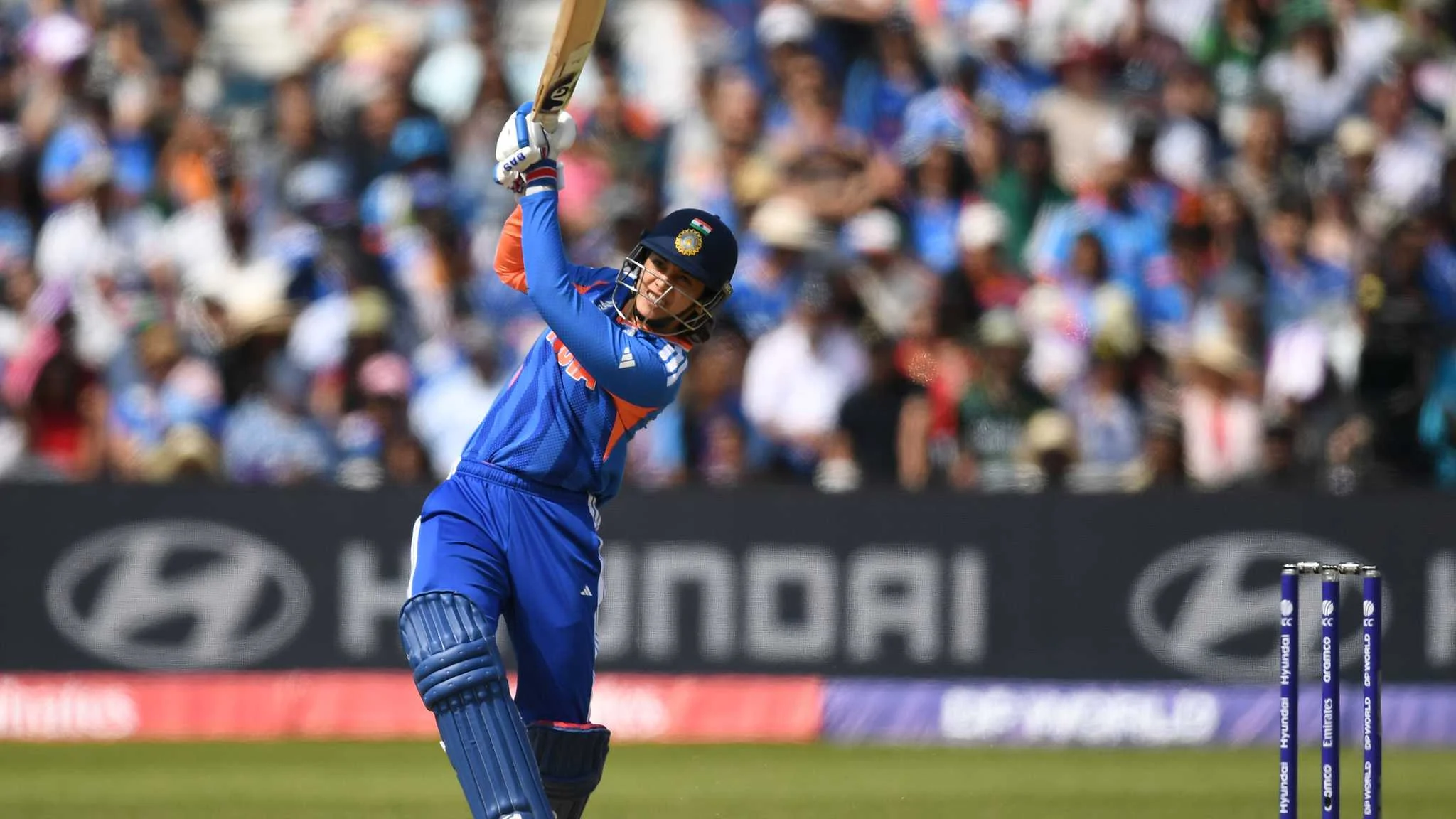
News Highlights
- India Women ne Pakistan Women ko 64 runs se defeat karke ICC Women's T20 World Cup 2026 campaign me strong statement diya.
- Pakistan ne first nine overs tak disciplined bowling aur smart field placements ke through match par control banaya hua tha.
- Smriti Mandhana ka Tasmia Rubab ke against inside-out six decisive momentum shift bana.
- Mandhana ke counter-attack wale three-over phase me India ne 39 runs collect karke contest ka rhythm flip kar diya.
- Richa Ghosh ke death-overs acceleration ne India ko 170 for 6 tak pahunchaya.
- Pakistan Powerplay ke baad 52 for 1 par competitive position me tha, lekin Deepti Sharma aur Shree Charani ne middle overs me chase ko choke kar diya.
Main Story: Scorecard se zyada dramatic thi is 64-run win ki asli kahani
Final scorecard India Women aur Pakistan Women ke beech 64-run gap show karega. Lekin match ka early phase dekhne wale kisi bhi observer ke liye contest itna one-sided nahi tha. Record audience ke saamne khele gaye World Cup Sunday clash me Pakistan ne first nine overs tak tactical clarity aur bowling discipline ke saath India ko uncomfortable position me rakha.
Shafali Verma aur Jemimah Rodrigues ke early dismissals ne India ko cautious route par push kiya. Harmanpreet Kaur ne situation ko samajhte hue unnecessary risk avoid kiya, lekin Pakistan ke bowlers ne long boundary ka effective use karke scoring options narrow kar diye. Pace variation, protected zones aur large outfield ka combination India ko run-a-ball ke around hold kar raha tha.
Problem ye thi ki ye approach India ke liye sustainable nahi reh sakti thi. Wickets bach rahi thi, but innings ka tempo pressure ke neeche compress ho raha tha. Kisi ek batter ko bowling side ki certainty disturb karni thi. Smriti Mandhana ne wahi responsibility li.
The Turning Point: Mandhana ka ek inside-out six aur Pakistan ki certainty khatam
Smriti Mandhana crease se bahar nikli, room create kiya aur Tasmia Rubab ki left-arm swing ko long off ke upar six ke liye lift kar diya. Ye stroke technical confidence aur tactical clarity ka perfect combination tha. Pakistan ne Mandhana ko leg-side ke deeper boundary ki taraf hit karne ke liye tempt kiya tha, lekin Indian left-hander ne unka preferred trap accept hi nahi kiya.
Nashra Sandhu, Rameen Shamim aur Sadia Iqbal ke against Mandhana ne natural arc me swing karne ke bajay repeatedly inside-out route choose kiya. Cover aur long off ke upar unke attacking options ne field-setting ko defensive banaya aur bowlers ko length rethink karne par majboor kiya.
Is counter-attack se pehle Mandhana ko ek important reprieve mila tha. Eighth over me Aliya Riaz backward-running catch ke liye proper position nahi bana payi. Mandhana ne life ko waste nahi kiya. Next three overs me India ne 39 runs score kiye aur Pakistan ka carefully controlled phase suddenly reactive cricket me badal gaya.
Mandhana ka shot sirf boundary nahi tha. Usne Pakistan ko apne successful plan par hi doubt karne ke liye force kiya, aur wahi doubt match ka strategic fracture ban gaya.GNN Tactical Reading
Match And Series Context
Pakistan ka response: Drinks break message clear tha, execution phir bhi slip ho gaya
Mandhana ke acceleration ke baad Pakistan head coach Wahab Riaz ne drinks break par players ko calm rehne aur plans simple rakhne ka message diya. Unka reading ye tha ki India-Pakistan game me overreaction ki zarurat nahi, because ek partnership Twenty Twenty cricket ka normal part ho sakti hai.
Field par Fatima Sana, Muneeba Ali aur Sadia Iqbal ne quick tactical conference ki. Sana long on par station hui aur Rameen Shamim ko Mandhana ko turn ke against hit karne ke liye tempt karte rehne ko kaha gaya. Mandhana ne response me phir room banaya aur cover ke upar boundary score kar di.
Pakistan ne eventually length pull back karke trap set kiya. Mandhana advance hui, long on clear nahi kar payi aur Fatima Sana ne catch complete kar diya. Tactical adjustment correct tha, but timing late thi. Mandhana ke dismissal tak India 14th over me 109 for 3 tak pahunch chuka tha, aur innings ka psychological control shift ho chuka tha.
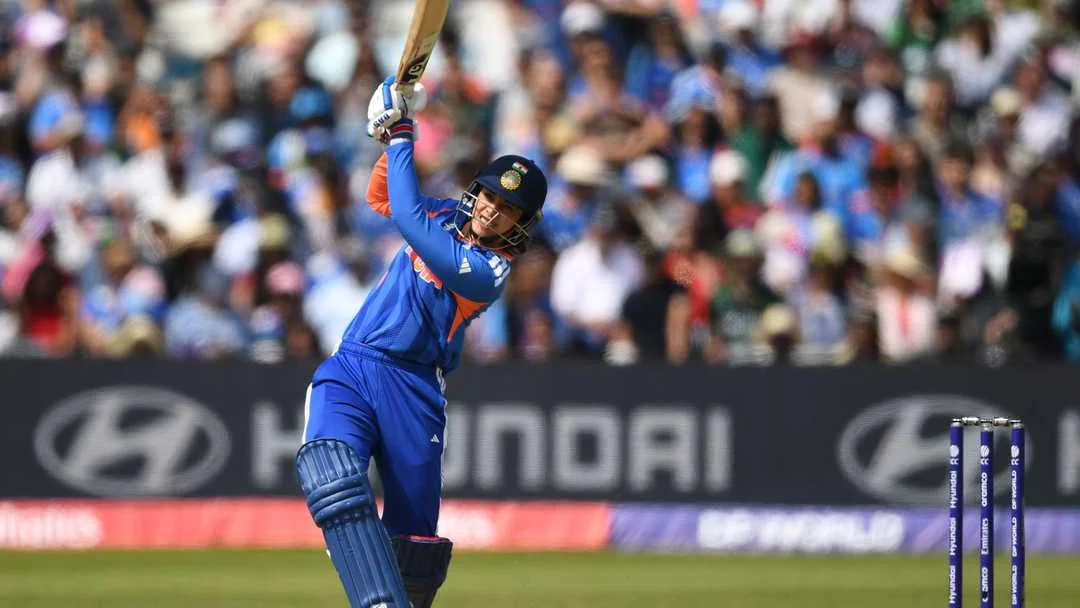
Richa Ghosh ne finish kiya, India 170 for 6 tak pahunchi
Mandhana ke wicket ke baad Pakistan ke paas comeback window thi. 109 for 3 par visitors quick dismissals ke through India ko below-par total tak restrict kar sakte the. Pakistan ne kuch wickets lekar temporary control bhi regain kiya, lekin death overs me Richa Ghosh ne familiar finishing power deliver ki.
Ghosh ke aggressive closing phase ne India ko 170 for 6 tak push kiya. Wahab Riaz ne later accept kiya ki total ideal restriction mark se around 20 runs zyada tha. Phir bhi Pakistan camp ko chase possible lag raha tha, provided batting unit plans aur composure maintain kare.
Pakistan chase: Strong Powerplay ke baad familiar collapse pattern
Pakistan ki chase hesitant start nahi thi. Muneeba Ali, Gull Feroza aur Ayesha Zafar ne gaps find kiye, in-field ke upar scoring options use kiye aur extra run lene ke liye positive intent dikhaya. Powerplay ke end par 52 for 1 ka score chase ko alive rakhta tha.
Turning point phir Smriti Mandhana ke around hi aaya. Ayesha Zafar ka well-timed sweep short fine leg par Mandhana ne safely collect kiya. Wicket ke baad Pakistan ka momentum dramatically drop hua, aur batting unit wahi pattern repeat karne laga jahan pressure phase ke baad original plan shape lose kar deta hai.
Deepti Sharma aur Shree Charani ne middle overs me dots pile kiye. Required rate climb hua, boundaries ki search rushed ho gayi aur calculated stroke-play less controlled swings me convert ho gaya. India ne pressure ko release nahi kiya, aur Pakistan ka challenge gradually collapse kar gaya.
Tactical Analysis: India ne perfect cricket nahi, smarter recovery cricket khela
1. Mandhana ne field geometry ko beat kiya
Pakistan ka plan longer leg-side boundary aur pace variation ke through India ko low-percentage power shots ke liye force karna tha. Mandhana ne inside-out hitting se field geometry hi change kar di. Unhone bowlers ko wahi line continue karne ka comfort nahi diya jahan Pakistan dominant tha.
2. Pakistan ne setback ko isolated event nahi rehne diya
Ek over expensive hona manageable tha. Real damage tab hua jab fielding side ne successful plan par doubt karna start kiya. Field changes, animated discussion aur repeated adjustments ne Mandhana ko signal diya ki pressure reverse ho chuka hai.
3. India ka middle-overs squeeze chase ka hidden match-winner tha
170 ka total headline tha, but Pakistan Powerplay ke baad game open tha. Deepti Sharma aur Shree Charani ne boundary denial aur dots ke through required rate ko psychological pressure me convert kiya. Modern Twenty Twenty cricket me isi phase me chases either mature hoti hain ya toot jaati hain. Pakistan ka chase second category me chala gaya.
Why This News Matters
India Women ke liye ye result sirf World Cup points ka matter nahi tha. Team ne difficult start, early wickets aur opposition ke tactical control ke against adaptability show ki. Big tournaments me har win clean nahi hoti; kabhi-kabhi most valuable victories wahi hoti hain jahan team imperfect position se match ka control reclaim karti hai.
Smriti Mandhana ki innings ne aggression ko reckless hitting ke roop me nahi, tactical intervention ke roop me define kiya. Unhone identify kiya ki passive accumulation India ko deeper trouble me le ja sakta hai, phir targeted attacking route choose kiya.
Pakistan Women ke liye positive takeaway bhi exist karta hai. Team significant phase tak better side thi aur chase ke Powerplay me competitive thi. Lekin 64-run margin later tournament me Net Run Rate equation ko hurt kar sakta hai. Dominant positions ko extended control me convert karna unke campaign ka urgent improvement area rahega.
GNN And The Guru Gyan Angle
Guru News Network (GNN), powered by The Guru Gyan, is match ko ek classic momentum-management case study ke roop me dekhta hai. India ki victory ka central reason sirf final total nahi tha; decisive element ye tha ki Mandhana ne Pakistan ke best phase ko abruptly interrupt kiya aur Indian bowlers ne chase ke best phase ko extend nahi hone diya.
Readers detailed cricket news, World Cup analysis aur player-focused stories ke liye Guru News Network follow kar sakte hain. Match intelligence aur broader cricket ecosystem ke liye The Guru Gyan official platform hai, while live score movement aur free live line ke liye The Guru Gyan Live Line available hai.
GNN ka focus score repeat karna nahi, balki match ke andar woh decision identify karna hai jahan outcome ki direction change hoti hai. Is contest me woh moment clear tha: Mandhana ka crease se bahar nikalna, room banana, aur long off ke upar inside-out six.
Related Topics
Cricket ko sirf dekho mat. Uska turning point samjho.
Premium cricket news, sharp match analysis aur trusted live match intelligence ke liye GNN aur The Guru Gyan ke official platforms se connected raho.
Official Transparency and Trust Disclaimer
Content Authenticity: This original content is exclusively authored and published by The Guru Gyan. To maintain search engine integrity and avoid content duplication, this article originally appeared on our official portal at https://thegurugyan.com/cricket-news/.
Strict Anti-Gambling Policy: The Guru Gyan is a platform dedicated to cricket match intelligence and analytics. We strictly DO NOT support, promote, or encourage any form of betting, gambling, or illegal activities.
Beware of Impersonators: We prioritize our users' digital safety. The Guru Gyan does not operate any official Telegram channel or group. Please rely only on our verified domains for authentic information: https://thegurugyan.com and https://live.thegurugyan.com.
Contact Our Core Team: For genuine business inquiries, feedback, or support, reach out directly to Aakash Rai at +91 9826913203 or +91 9111191152.
Comments
Post a Comment